
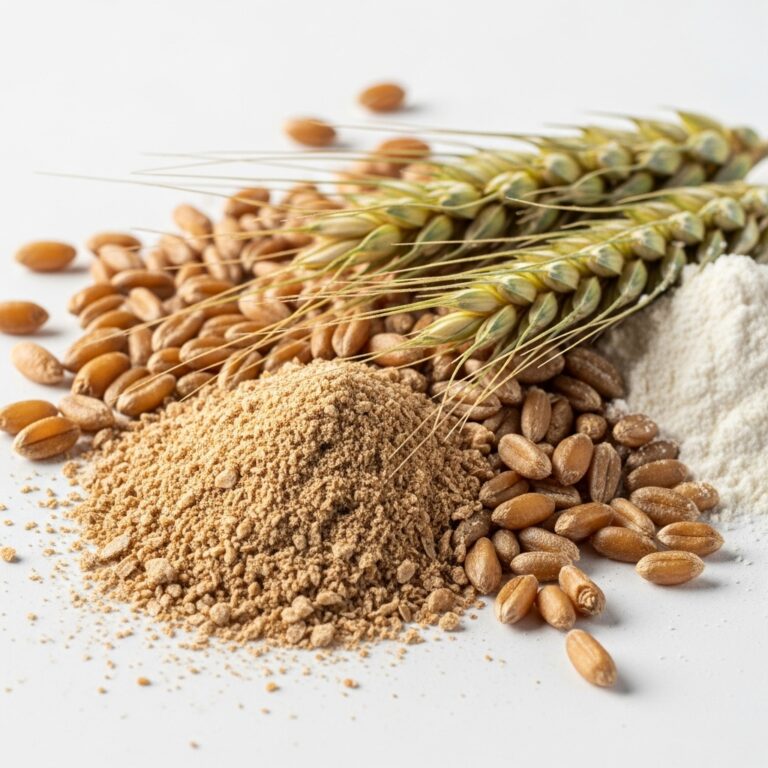
Wheat Fiber
Wheat fiber is obtained by heat-treating and texturizing wheat, then grinding it. It is a tasteless, odorless, white powder. It can be used as an alternative to soy in all food applications requiring water binding and moisture release control. It has a water-holding capacity of three to four times its volume. It improves structure, increases consistency, and controls moisture. It is added as a filler and anti-caking agent. It helps shorten fermentation times in meat products. Bakery, confectionery, dairy and grain products, snacks, and breakfast cereals are among the sectors where wheat fiber is used.
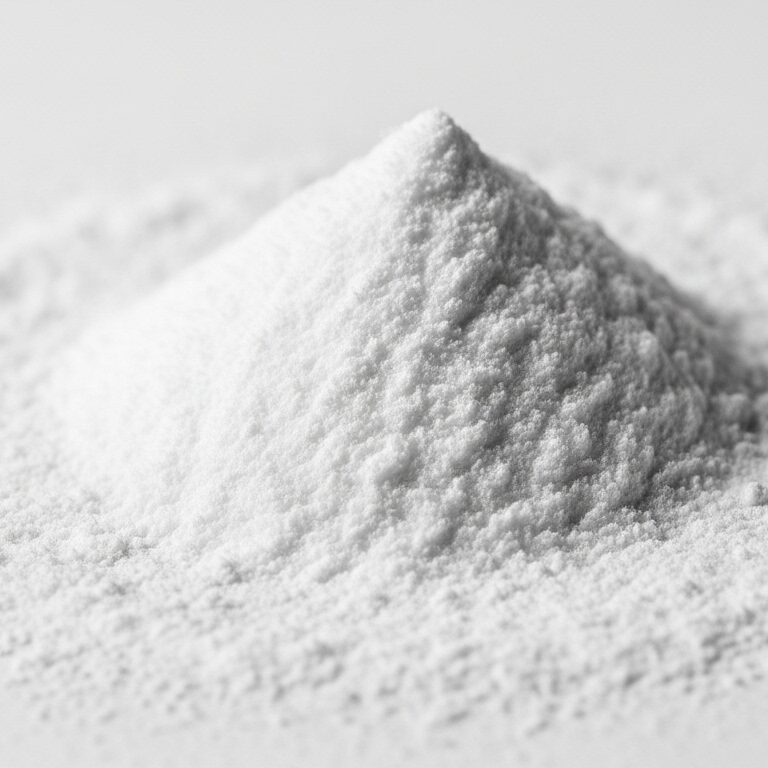
Cellulose Fiber
E 460ii
Cellulose is the structural material of all plants and is industrially obtained from woody and fibrous plants. It is an odorless, tasteless, white powder. It is lactose, gluten, and calorie-free. It can be used as a caseinate substitute. It is used as a water and fat retainer, reduces waste loss, and regulates texture. It reduces absorption during frying. It is added as a filler and fluidifying agent. It prevents water and fat molecules from being released by surrounding them. It is preferred in diet products, processed meat products, yogurt, and labneh cheese.
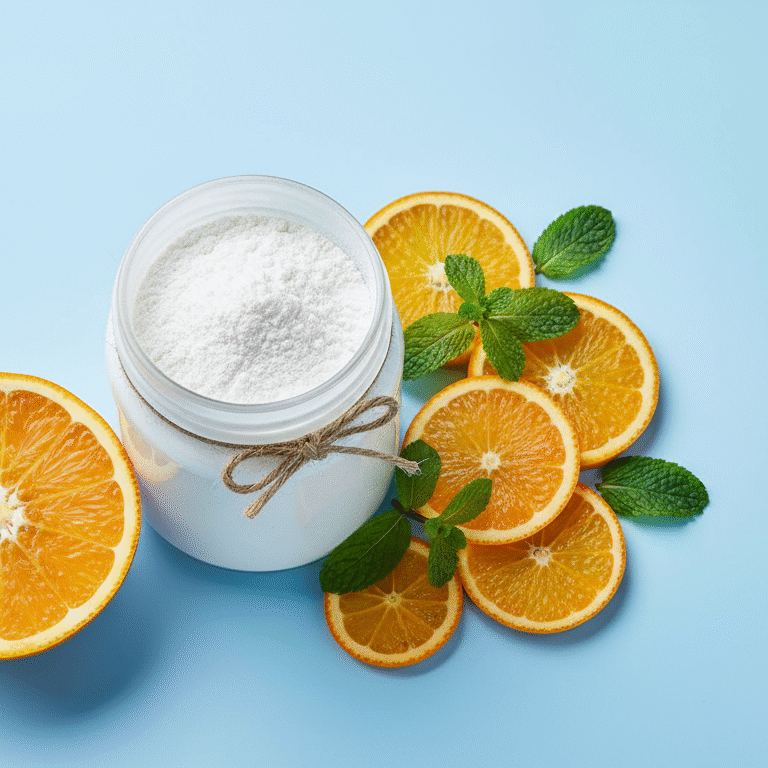
Citrus Fiber
Citrus fiber is a dietary fiber obtained from citrus fruits and generally passes through the human digestive system without being broken down or digested. It is in yellowish-white powder form. A source of fiber, it provides viscosity regulation and structure, preventing clumping. It has a high water-holding capacity and helps control moisture. It is used in beverages, meat and meat products, the pastry industry, and in the production of ready-made soups.
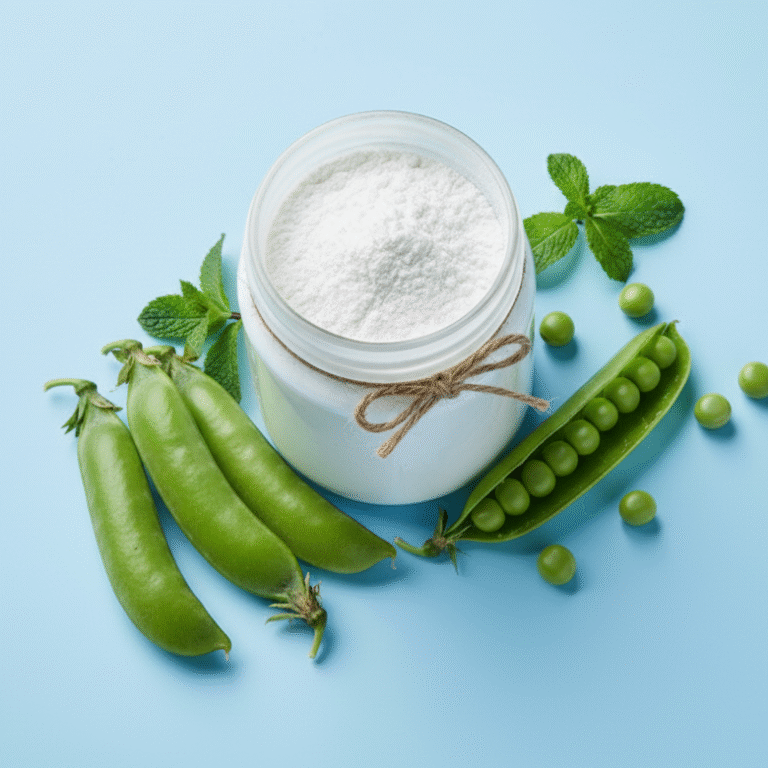
Pea Fiber
Pea fiber is a white/beige powdered product with a mild odor and a distinctive pea-like flavor, industrially obtained from peas. It is used as an alternative to soy to help retain water and control moisture release. It enhances the nutritional value of the final product. It is added to foods as a water binder, emulsifier, filler, fermentation time reducer, shelf life extender, fiber source, brittleness reducer, and water-reducing agent. It is widely used in meat and meat products, baked goods, ice cream cones, crackers, wafers, cream cheese, and powdered mixes.
CoCoa Fiber
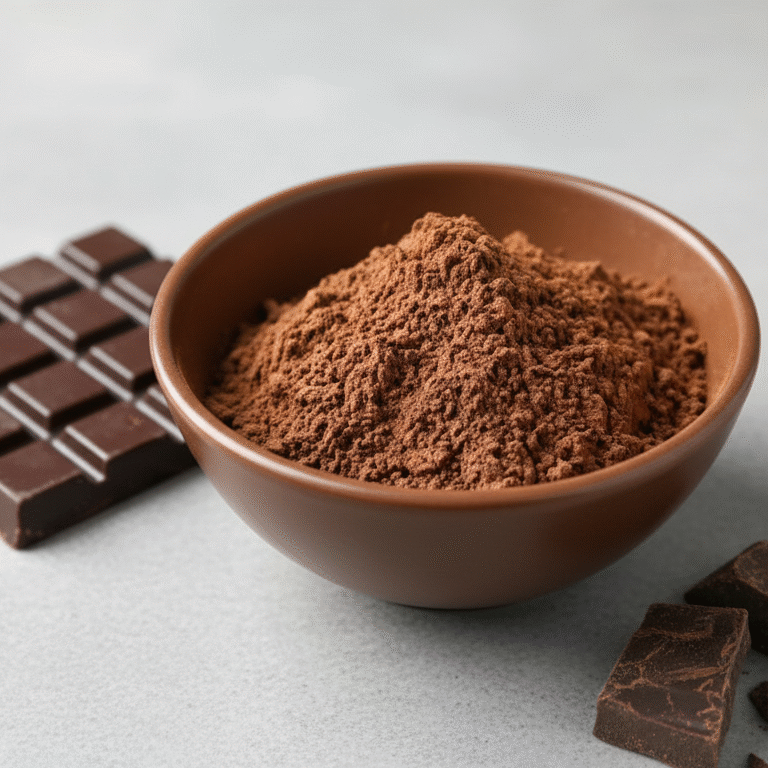
Cocoa fiber is a natural dietary fiber. No chemical processing is used in its production. The fiber is produced from cocoa shells and has a strong cocoa flavor. It also has a natural cocoa color. It contains low fat (less than 5%) and high fiber content (less than 59%). Because cocoa fiber binds water and fat, the amount of stabilizers and emulsifiers in the recipe can be reduced.
Cocoa fiber can be used in cocoa coatings, “high-fiber” chocolate drinks, instant drinks, chocolate bases, extruded snacks, products like Nutella spread, fitness bars, “fiber-rich” chocolate confectionery products, chocolate cakes, muffins, cookies, and other chocolate-flavored, low-fat products.
Vitafiber S
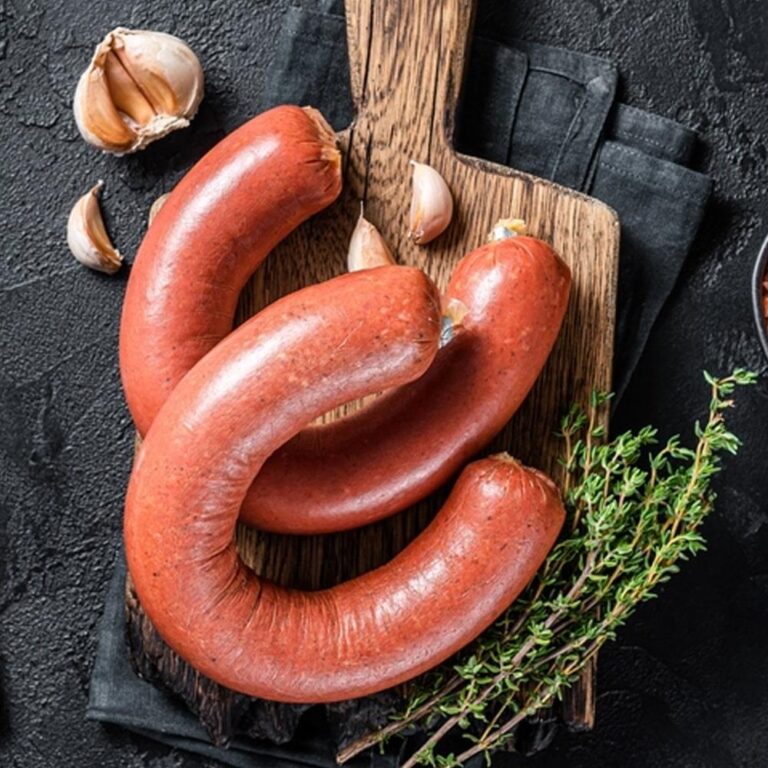
Special Fiber Blend for Sucuk
Plant fibers are used in sucuk to improve the product’s texture by retaining water and oil. Different types of fibers, such as cellulose, wheat, and bamboo, prevent water loss during sucuk production, prevent fat from seeping out during cooking, and maintain the product’s juiciness. In some cases, fibers can be used fraudulently to reduce production costs by reducing the amount of meat.
The Purposes of Fiber Use in Sucuk:
Water Retention: Wheat and bamboo fibers retain water within the sucuk, keeping it moist.
Fat Retention: Cellulose fiber helps retain the oil lost during cooking.
Structural Improvement: Fibers combine with hydrocolloids in the sucuk to improve the product’s texture by retaining water and oil.
Vitafiber D ve DB
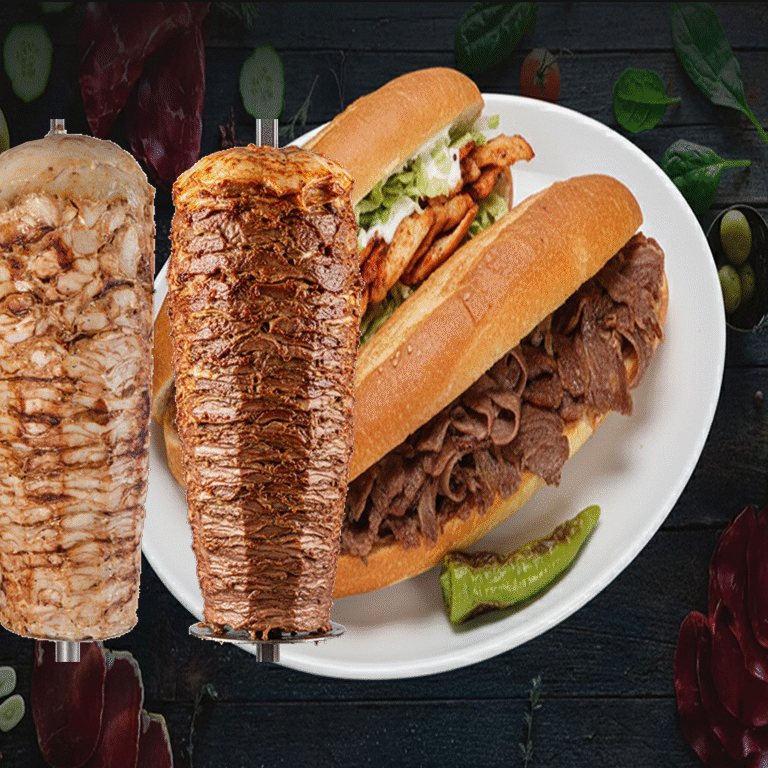
Special fiber blend for döner
It is used specifically in döner production to trap excess water on the döner surface.
It also prevents sauce from running off the surface.
It prevents sludge formation.
It is sprinkled on the surface as a powder.
Vitafiber M
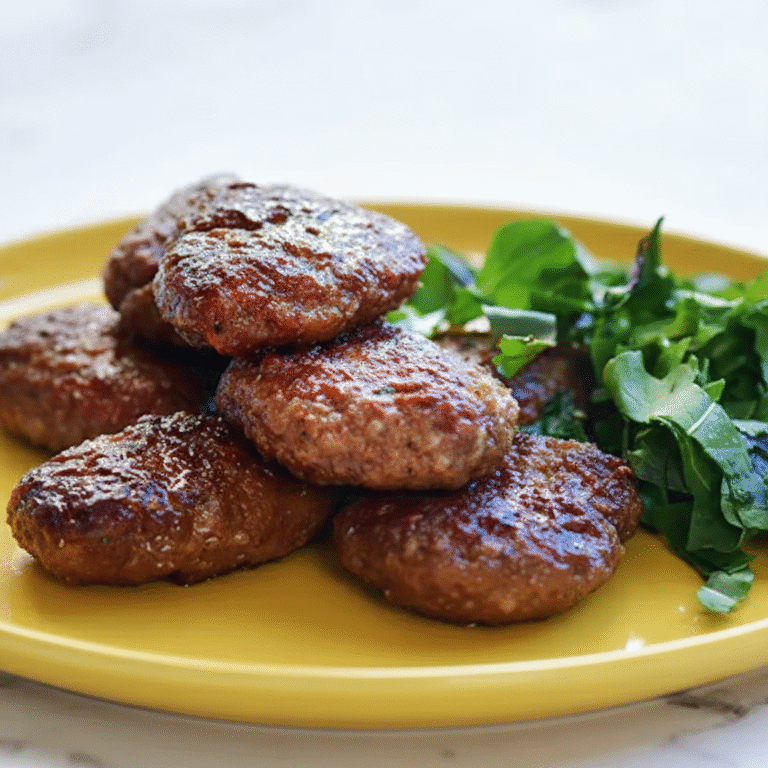
Special fiber blend for meatballs
It reduces water and fat loss during cooking in products such as meatballs, burgers, and ground meat döner.
Because water and fat loss is reduced, flavor is preserved, and the product’s shape remains consistent during cooking. It reduces shrinkage. Vitafiber S (Special fiber blend for sausages)
Fiber is used in sausage production to increase the product’s water retention capacity, prevent water loss, add fullness, and improve structural stability. Fibers prevent the sausage from shrinking during cooking, increase sliceability, and enhance the mouthfeel. This blend is made from various plant fibers, such as cellulose, wheat, or pea.
Vitafiber B
Special fiber blend for salami
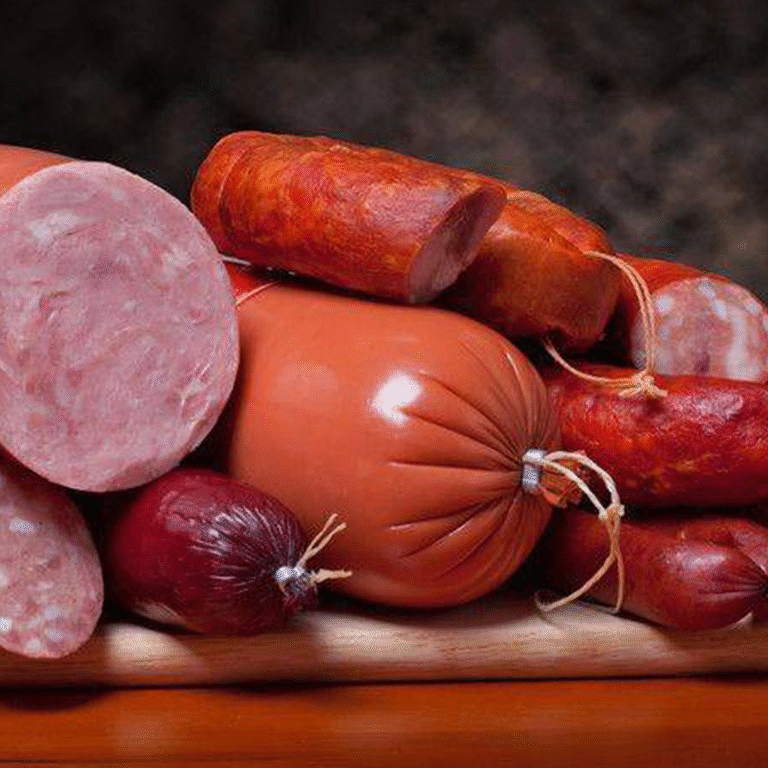
Fiber is used in salami production to add fullness, increase water retention, and create a moldable structure. Various plant fibers, such as cellulose, wheat, or pea fiber, are typically used. These additives enhance salami’s durability and sliceability by preventing water loss.
Vitafiber H
Special fiber blend for Sausage
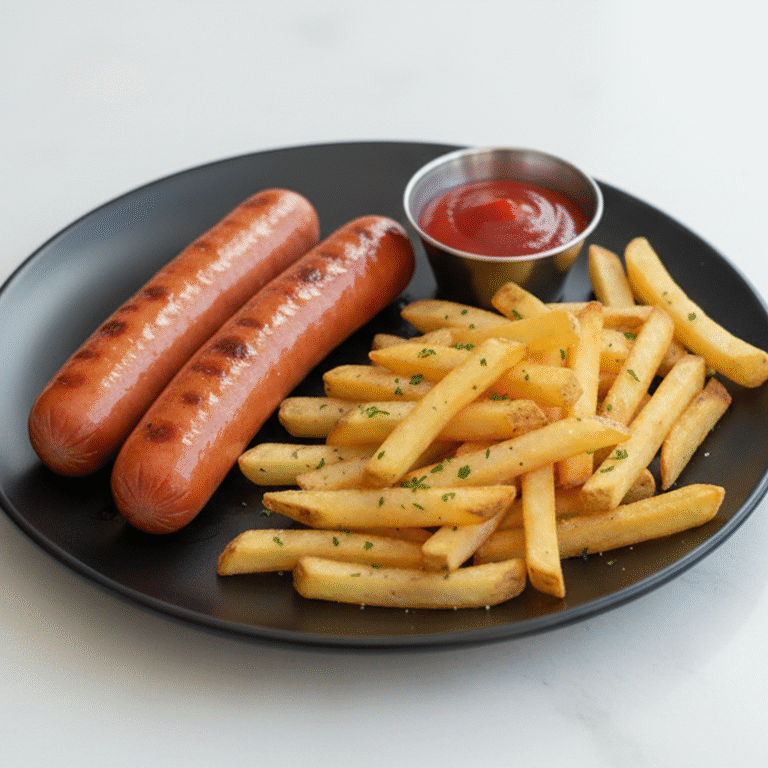
The use of fiber in sausage production is aimed at increasing the product’s water-holding capacity, preventing water loss, adding bulk, and improving structural stability. Fibers prevent the sausage from shrinking during cooking, and enhance its sliceability and the feeling of fullness in the mouth. For this purpose, it is a blend of different vegetable fibers such as cellulose, wheat, or pea.